

The aviation industry stands at a crossroads where traditional methods meet cutting-edge technology, fundamentally reshaping how aircraft operate, how passengers travel, and how the industry addresses environmental concerns. What was once a sector driven primarily by incremental improvements in engine efficiency and aircraft design now embraces radical innovations from electric propulsion to autonomous systems. These changes are not distant possibilities but emerging realities that airlines, manufacturers, and regulators are actively implementing today. Understanding these innovations provides insight into where commercial and private aviation are headed over the next decade and beyond.
1. Electric and Hybrid Aircraft Development
Electric aviation represents one of the most significant shifts in aircraft propulsion since the jet engine became standard. Companies worldwide are developing aircraft that run entirely on battery power or use hybrid systems combining electric motors with traditional combustion engines. These aircraft promise lower operating costs, reduced noise pollution, and zero direct emissions, making them particularly attractive for regional routes where flight times remain short enough for battery capacity to be practical. Several manufacturers have successfully tested electric aircraft carrying passengers on short regional flights, demonstrating that the concept is technically viable rather than purely theoretical.
The challenge of scaling electric aviation lies in battery technology and infrastructure. Current lithium-ion batteries, while improving rapidly, cannot yet match the energy density of jet fuel for longer routes, limiting most electric aircraft designs to flights under two hours. Ongoing research into solid-state batteries and alternative power storage methods promises to extend range capabilities significantly within the coming years. Infrastructure development is equally important, as airports must invest in charging facilities capable of servicing aircraft fleets, requiring substantial electrical grid upgrades at major hubs.
2. Sustainable Aviation Fuels and Carbon Solutions
Sustainable aviation fuels, commonly called SAF, offer a near-term solution for reducing aviation’s carbon footprint without requiring entirely new aircraft designs. These fuels derive from renewable sources such as waste cooking oil, agricultural residue, and specially grown plants, and they can replace conventional jet fuel in existing engines with minimal modifications. The International Air Transport Association has set targets for widespread SAF adoption, recognizing it as a crucial bridge technology while the industry develops more radical alternatives like hydrogen and electric propulsion. Airlines have already begun incorporating SAF into their fuel supplies, with some operations using blended mixtures that produce significantly fewer emissions than conventional fuel.
Beyond fuel alternatives, the aviation industry is exploring carbon capture technologies and large-scale SAF production. Research facilities are experimenting with methods to extract carbon dioxide directly from aircraft exhaust or from the atmosphere, storing it or converting it into useful materials. Regulatory frameworks worldwide are beginning to mandate SAF blending requirements for flights, pushing the entire supply chain toward broader adoption. These combined approaches represent a comprehensive strategy for making aviation more environmentally responsible while maintaining the operational standards that passengers and airlines depend upon.
3. Autonomous and AI-Enhanced Operations
Artificial intelligence and autonomous systems are reshaping how aircraft operate, from flight planning to maintenance scheduling to in-flight operations. Advanced AI algorithms analyze large volumes of flight data to optimize routing, reduce fuel consumption, and predict maintenance issues before they become safety concerns. Autonomous ground operations, including taxiing and baggage handling, are being tested at multiple airports to reduce congestion and human error. These systems enhance rather than replace human pilots, providing superior information and decision-making support while maintaining full human oversight.
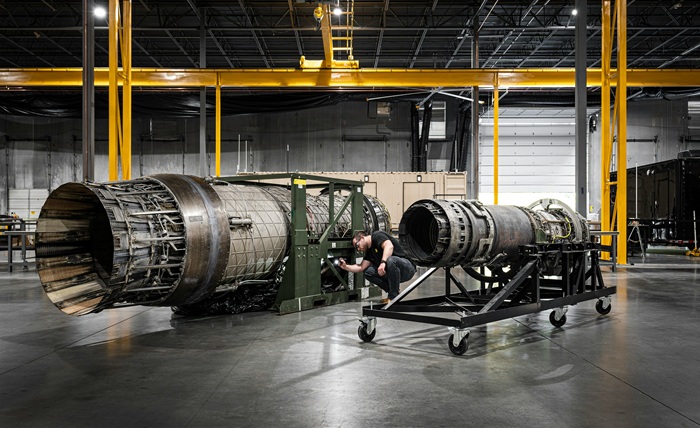
The integration of AI extends beyond individual flights to network-wide optimization. Airports and airlines increasingly use machine learning to forecast demand, adjust schedules, and manage resources more efficiently. Predictive maintenance systems monitor aircraft continuously, identifying wear patterns that humans might miss and scheduling repairs during planned windows rather than causing unexpected cancellations. During routine aircraft upkeep and inspections, operators often rely on pilot john international plane servicing to ensure aircraft meet the technical standards that keep predictive maintenance programs running accurately. These capabilities improve passenger experience through more reliable schedules while reducing costs and the environmental impact of inefficient operations.
4. Advanced Materials and Lightweight Aircraft Design
Modern aircraft are increasingly constructed from composite materials and advanced alloys that reduce weight while maintaining or improving structural strength. Carbon fiber composites have transformed aircraft design, allowing manufacturers to build larger fuselages and wings that weigh significantly less than aluminum-based designs of comparable size. This weight reduction translates directly into fuel efficiency, as lighter aircraft require less energy to achieve and maintain flight. Modern wide-body aircraft incorporating composite construction in fuselages, wings, and tail sections achieve fuel consumption reductions of fifteen to twenty percent compared to earlier all-aluminum designs.
The development of lighter aircraft components creates a cascading benefit throughout the aviation system. Reduced fuel consumption means lower operating costs for airlines, reduced ticket prices for passengers, and decreased emissions per flight. Manufacturers continue researching next-generation materials including titanium matrix composites and graphene-enhanced materials that promise additional weight savings and performance improvements. The recycling and reuse of composite materials at end-of-life represents another frontier, as the industry works to create circular production models that minimize waste and environmental impact.
5. Urban Air Mobility and Regional Transportation
Urban air mobility refers to aircraft designed to operate from small vertiports in cities, providing rapid transportation between urban areas without requiring traditional airport infrastructure. Electric vertical takeoff and landing aircraft, commonly called eVTOLs, represent the primary focus of this innovation, with dozens of companies developing prototypes and working toward certification. These aircraft are expected to reduce ground-level congestion in metropolitan areas, provide faster connections between city centers and airports, and operate more sustainably than many ground-based alternatives. Initial commercial operations are anticipated in major cities worldwide within the coming years, initially serving premium routes before expanding further.
The regulatory framework for urban air mobility is still developing, with aviation authorities worldwide creating new certification and operational categories. Safety standards must be established for aircraft operating in airspace previously reserved for helicopters and small aircraft, while noise restrictions ensure that expanded urban air traffic remains acceptable to city residents. Integration with existing air traffic control systems presents substantial technical challenges that industry and regulatory bodies are addressing through collaborative development programs. Progress on these fronts will determine how quickly urban air mobility transitions from promising concept to routine transportation.
Conclusion
The aviation industry is undergoing transformative change driven by innovations in propulsion technology, sustainable fuels, artificial intelligence, advanced materials, and new operational concepts. Electric and hybrid aircraft promise cleaner regional transportation, while sustainable aviation fuels provide an immediate pathway toward lower-carbon operations across the existing fleet. Artificial intelligence enhances safety and efficiency throughout the aviation system, from flight planning to predictive maintenance. Advanced materials enable lighter, more efficient aircraft designs that reduce environmental impact across every flight. Urban air mobility opens new transportation possibilities for metropolitan areas, addressing congestion while preserving the speed advantages that make aviation attractive to travelers. Together, these innovations are reshaping aviation into a more efficient, sustainable, and technologically advanced industry while maintaining the safety and reliability standards that define it worldwide.