

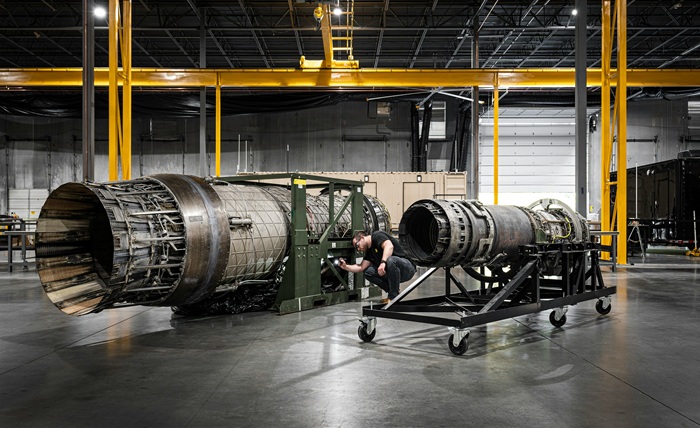
Aircraft engines operate in one of the most demanding mechanical environments, where extreme temperatures, high rotational speeds, and constant pressure variations place significant stress on every component. Ensuring long-term performance and reliability requires a proactive approach to maintenance and a deep understanding of the factors that contribute to wear. Premature mechanical wear not only increases operational costs but can also compromise safety and lead to unexpected downtime. By focusing on preventive strategies and advanced lubrication practices, operators can preserve engine integrity and extend service life.
Understanding the Causes of Mechanical Wear
Mechanical wear in aircraft engines is a gradual process driven by friction, heat, and contamination. Each time an engine operates, metal components interact under intense conditions, leading to microscopic degradation over time. While this wear is inevitable, its rate can vary significantly depending on maintenance quality and operating practices.
One of the primary contributors to premature wear is insufficient lubrication. When protective films between moving parts break down, friction increases dramatically, accelerating surface damage. Contaminants such as dirt, carbon deposits, or moisture can also enter the engine system, further contributing to abrasion and corrosion.
Thermal stress is another critical factor. Rapid changes in temperature during takeoff and flight can cause materials to expand and contract, potentially leading to fatigue. Over time, these stresses weaken engine components and increase susceptibility to cracking or deformation.
Understanding these underlying causes allows operators to implement targeted strategies that reduce wear and improve overall engine durability.
The Importance of Advanced Lubrication Systems
Lubrication plays a central role in protecting aircraft engines from premature mechanical wear. High-performance engine oils are specifically designed to maintain stability under extreme conditions, providing consistent protection across a wide temperature range. These oils form a protective barrier that minimizes direct contact between metal surfaces, reducing friction and heat generation.
Selecting the appropriate lubricant is essential for achieving optimal results. Specialized products such as 2380 turbo engine oil are engineered to handle the high demands of turbine engines, offering enhanced resistance to oxidation and thermal breakdown. These properties ensure that the oil remains effective even during prolonged exposure to elevated temperatures.
In addition to reducing friction, quality lubricants help remove contaminants by suspending particles and carrying them to filtration systems. This process keeps internal components clean and prevents the accumulation of debris that could otherwise accelerate wear.
Regular monitoring of oil condition is equally important. Oil analysis can reveal early signs of contamination or degradation, allowing maintenance teams to take corrective action before more serious issues develop. This proactive approach helps maintain consistent lubrication performance and supports long-term engine health.
Implementing Routine Maintenance and Inspections
Routine maintenance is one of the most effective defenses against premature engine wear. Scheduled inspections allow technicians to identify and address potential issues before they escalate. These inspections typically include examining critical components such as bearings, seals, and turbine blades for signs of wear or damage.
Replacing filters at appropriate intervals ensures that contaminants are removed from the lubrication system, preventing them from circulating within the engine. Clean filters support efficient oil flow and contribute to consistent lubrication across all moving parts.
Maintenance routines should also include checking for proper alignment and balance within the engine. Misalignment or imbalance can create uneven stress on components, leading to accelerated wear. By maintaining precise mechanical alignment, operators can reduce strain and improve overall performance.
Documentation plays a key role in effective maintenance. Keeping detailed records of inspections, repairs, and oil changes allows operators to track trends and identify patterns. This information supports informed decision-making and helps ensure that maintenance practices remain consistent and effective.
Managing Operating Conditions and Environmental Factors
Operating conditions have a significant impact on engine wear. Factors such as temperature, altitude, and air quality can influence how an engine performs and how quickly its components degrade. Managing these variables is essential for minimizing wear and maintaining efficiency.
High temperatures can accelerate oil degradation and increase the likelihood of component damage. Ensuring proper cooling and selecting lubricants with strong thermal stability helps mitigate these effects. Similarly, operating in extremely cold conditions requires oils that maintain fluidity and provide adequate protection during startup.
Air quality also plays an important role. Dust, sand, and other airborne particles can enter the engine and contribute to abrasion if not properly filtered. Regular inspection and maintenance of air intake systems help prevent these contaminants from causing damage.
Humidity and moisture exposure can lead to corrosion within engine components. Preventive measures such as proper sealing and routine checks reduce the risk of moisture-related damage. Additionally, storing aircraft in controlled environments when not in use helps protect engines from environmental stress.
Extending Engine Life Through Preventive Practices
Preventive practices go beyond routine maintenance, focusing on long-term strategies that enhance engine longevity. One of the most effective approaches is adopting consistent operating procedures that minimize unnecessary stress on the engine. Smooth acceleration, gradual power adjustments, and adherence to recommended limits all contribute to reduced wear.
Training personnel to recognize early warning signs of mechanical issues is also crucial. Subtle changes in engine performance, unusual vibrations, or variations in temperature readings can indicate underlying problems. Addressing these signals promptly prevents minor issues from developing into major failures.
Another key aspect of prevention is maintaining system integrity. Ensuring that all components, including seals, hoses, and fittings, are in good condition prevents leaks and contamination. Regular replacement of worn parts helps maintain optimal performance and reduces the likelihood of unexpected breakdowns.
Investing in high-quality materials and equipment further supports engine protection. While initial costs may be higher, the long-term benefits of reduced maintenance and extended service life often outweigh the expense. A comprehensive approach to prevention ensures that engines remain reliable and efficient throughout their operational lifespan.
Conclusion
Protecting aircraft engines from premature mechanical wear requires a combination of knowledge, discipline, and careful attention to detail. From advanced lubrication systems to routine maintenance and environmental management, each aspect plays a vital role in preserving engine performance and reliability.
By understanding the factors that contribute to wear and implementing targeted preventive strategies, operators can significantly extend the life of their engines while maintaining efficiency and safety. A proactive approach not only reduces operational costs but also ensures that aircraft remain dependable in even the most demanding conditions.