

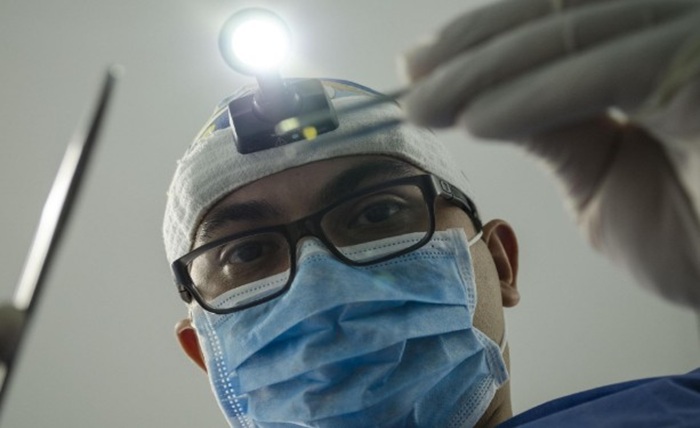
The dental industry keeps pushing forward with technological breakthroughs that bring innovative tools and equipment into practices everywhere. As a dental professional, you’re likely no stranger to the steady stream of new instruments and technologies designed to elevate patient care and treatment results. Getting a handle on these new tools matters tremendously for maintaining exceptional patient care while keeping your workflow smooth and efficient. Sure, that transition period when you’re implementing new dental equipment can feel challenging at times, but the right approach makes all the difference in successfully integrating these tools into your daily practice. This article walks you through practical guidance that’ll help you confidently adopt and master emerging dental technologies as they make their way into your field.
1. Invest Time in Comprehensive Training
When those shiny new dental tools arrive at your practice, you might feel tempted to tear open the packaging and dive right in without much preparation. Manufacturers know their equipment inside and out, which is why they typically provide robust training resources, think instructional videos, detailed user manuals, and hands-on demonstrations that walk you through proper operation and maintenance. Block out dedicated time to thoroughly review all available training materials before you ever use the tool on your first patient. Many companies go the extra mile by offering live training sessions or webinars where you can fire off questions and watch experts demonstrate proper technique in real time.
2. Start with Simple Applications Before Advancing
As you begin weaving new dental tools into your practice routine, take a gradual approach that builds your competence step by step. Start by using the new equipment for straightforward, bread-and-butter procedures where you already feel comfortable and the pressure stays relatively manageable. This strategy gives you space to get familiar with how the tool handles, what kind of feedback it provides, and how it performs in controlled situations without added stress. Once you’ve developed solid confidence and proficiency with basic applications, you can naturally progress to more complex or challenging cases that demand greater precision and expertise.
3. Leverage Peer Networks and Professional Communities
The dental community offers a wealth of resources for professionals working to master new tools and technologies. Connecting with colleagues who’ve already implemented similar equipment can provide practical insights that go well beyond what you’ll find in manufacturer specifications and training materials. Professional forums, social media groups, and dental associations create spaces where practitioners swap real, world experiences with various tools and techniques. These peer networks frequently discuss common headaches, troubleshooting strategies, and best practices that might never come up during formal training.
4. Understand the Underlying Technology and Principles
Using new dental tools effectively goes beyond simply following step, by-step operational instructions, it involves understanding the fundamental principles that make them tick. Carve out time to research the scientific and technological basis of new equipment, whether it involves digital imaging, advanced materials, or innovative treatment methodologies that push boundaries. Understanding how a tool works at a deeper level empowers you to troubleshoot problems more effectively, recognize when equipment isn’t performing up to snuff, and make smart decisions about when and how to use it. Dig into peer-reviewed articles and clinical studies that examine the evidence supporting the tool’s efficacy and appropriate applications. This knowledge helps you evaluate whether a particular tool fits specific patient situations and allows you to explain the technology to patients with genuine confidence and clarity. When professionals need to capture precise three-dimensional measurements for treatment planning, dental photogrammetry provides accurate digital documentation that enhances diagnostic capabilities. When you truly comprehend the underlying mechanisms, you can adapt your technique more intelligently as you gain experience rather than just repeating memorized steps like a robot. This deeper understanding transforms you from a basic operator into a skilled practitioner who can tap into the tool’s full potential while staying aware of its limitations.
5. Establish Systematic Maintenance and Quality Control Protocols
New dental tools need consistent maintenance and quality assurance procedures to keep them performing at peak levels throughout their entire lifespan. Develop written protocols for cleaning, sterilization, calibration, and routine inspection of each new piece of equipment according to what the manufacturer recommends. Assign specific team members to handle these maintenance tasks and create schedules that prevent anything from slipping through the cracks or getting delayed. Regular calibration checks become particularly crucial for precision instruments that directly affect treatment outcomes and diagnostic accuracy.
Conclusion
Successfully navigating new dental tools calls for a thoughtful, systematic approach that balances genuine excitement for innovation with practical considerations around patient safety and clinical excellence. By investing in comprehensive training, starting with simpler applications, tapping into professional networks, understanding underlying technologies, and establishing rigorous maintenance protocols, you’re setting yourself up to effectively integrate new equipment into your practice. These strategies not only smooth out those bumpy transitions when adopting new tools but also contribute to your overall professional development and adaptability in a field that never stops evolving. As dental technology continues its forward march, your ability to confidently and competently navigate new tools will remain an essential skill that benefits both your practice and the patients who trust you with their care. Welcome new innovations as genuine opportunities for growth while maintaining that careful, methodical approach that defines excellent dental care.